
ADHDers Have the Best of Intentions
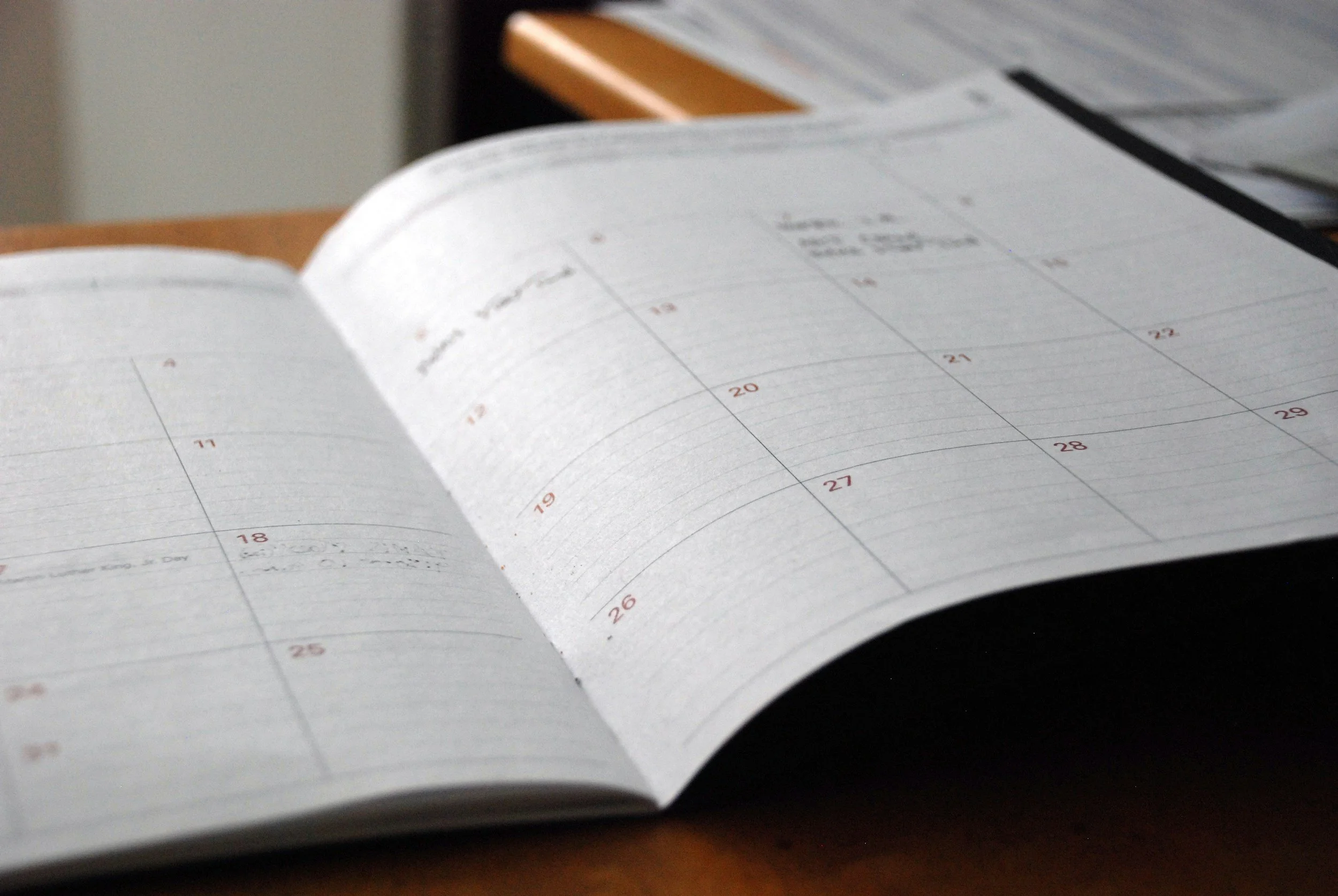
If you have ADHD, you are likely intimately familiar with the "planner graveyard." It’s that drawer, shelf, or hidden digital folder filled with beautifully bound notebooks, expensive productivity apps, and color-coded calendars that were supposed to magically transform your life.
You probably bought them during a midnight rush of hyperfocus, used them with absolute devotion for exactly four days, and then... completely forgot they existed. Cue the familiar shame spiral.
Please take a deep breath and let that shame go. You are in excellent company.
This cycle highlights one of the most frustrating, baffling, and deeply rooted aspects of navigating a neurodivergent brain: the profound love-hate relationship that ADHDers have with structure and routine.
We crave it like a lifeline, yet we rebel against it like it’s a prison sentence. We can design a perfect, minute-by-minute schedule at 2:00 AM, only to wake up at 8:00 AM viewing that very same schedule as an oppressive overlord that must be immediately overthrown.
Why do our brains play this game, and how can we build systems that actually stick?
The Love: Why the ADHD Brain Craves Structure
To understand why we love structure, we have to look at executive function. The ADHD brain inherently struggles with self-regulation, working memory, and prioritization. Without external frameworks, the world quickly turns into an overwhelming, noisy blur where everything feels urgent all the time.
Structure provides an incredible sense of relief because it serves as external scaffolding for an overloaded mind:
It Tames Choice Paralysis: When every single task looks equally important, deciding what to do next feels physically painful. A predictable routine removes the agony of constant decision-making.
It Spares Your Working Memory: Relying on your brain to remember to pay a bill, answer an email, and drink a glass of water is exhausting. Externalizing those steps saves your precious daily allotment of mental energy.
It Calms the Nervous System: Chronic chaos breeds chronic stress. Knowing what generally comes next provides a psychological safety net, lowering ambient anxiety.
When a new system works, it feels like magic. It brings a temporary pocket of clarity and control that feels deeply peaceful.
The Hate: Why Our Brains Rebel Against Routine
If structure is so helpful, why do we actively fight it? Why do we look at a perfectly reasonable task list that we ourselves created and feel a sudden wave of intense resentment?
It isn't a character flaw, and you aren't just "lazy." It is a predictable neurobiological response:
The Dopamine Drop: The ADHD brain is chronically under-stimulated and constantly hunting for its next chemical reward. When a routine is brand new, it gives us a shiny dopamine hit of novelty. But the moment the novelty wears off, the routine becomes predictable. Predictable means boring—and to an ADHD brain, under-stimulation can feel genuinely uncomfortable.
The "Prison" Effect (Demand Avoidance): Many of us experience a strong internal counter-will when faced with rigid demands. The moment a task becomes an absolute "must-do" locked into a calendar grid, it stops feeling like a choice and starts feeling like an obligation. Your brain perceives the schedule as an outside authority trying to boss you around, prompting an immediate internal rebellion.
The Trap of All-or-Nothing Thinking: Traditional productivity advice is built for linear consistency—think "never miss a day" or "maintain a 30-day streak." But ADHD energy is naturally cyclical and inconsistent. If a system requires perfection to be successful, the very first missed day feels like a total collapse. We assume we’ve failed, so we toss the whole system out the window.
Shifting From "Rigid Rules" to "Flexible Scaffolding"
Living successfully with ADHD doesn’t mean forcing your brain into rigid, neurotypical boxes. It means learning to design structure that honors your dual need for stability and freedom.
Instead of iron-clad rules, we want to focus on flexible frameworks that bend without breaking:
1. Build Anchor Points, Not Timelines
Instead of scheduling your entire day down to the minute (e.g., “Read from 9:00 to 9:15, then answer emails at 9:16”), establish loose anchor points. Pick two or three fixed markers—like your morning cup of coffee or a set lunchtime—and let the spaces between them remain more fluid if you have the flexibility to do so. Sometimes anchoring the beginning and ending of your day helps the middle feel less chaotic.
2. Stack Your Habits (The ADHD Way)
Borrowed from James Clear’s Atomic Habits, habit stacking is the art of anchoring a new behavior to an already automated routine. The trick for ADHD brains is making the anchor sensory and immediate. For example: "While I wait for my morning coffee to brew (established anchor), I will open my planner to look at my top three tasks for the day (new habit)." You don't need to conjure up new willpower; you just hitch a ride on a train that's already leaving the station.
3. Create "Ideal Day" vs. "Crappy Day" Plans
Life is unpredictable, and your executive functioning levels will fluctuate. Instead of a single rigid routine, give yourself options. On an Ideal Day—when you wake up feeling rested and focused—you can dive into your full, optimal routine. On a Crappy Day—when you are exhausted, overwhelmed, or under-stimulated—you switch to your predefined minimum baseline plan. A crappy day routine might simply look like: drink one glass of water, answer one urgent email, and put on clean sweatpants. Having a low-bar minimum keeps you anchored to your structure without triggering a shame spiral.
4. Expect Novelty to Fade and have plan for When it Does
Expect that your current planner or app will eventually stop working, and stop viewing that as a failure! It just means the dopamine wore off. Plan to rotate your tools. Switch from a digital board to sticky notes when you get bored, or change the color of your pens. The underlying structure remains the same; it just needs a fresh coat of paint to wake up your brain's interest.
These are just a few ideas, but there are many more strategies that can help you work with your brain instead of against it.
You Don't Have to Find the Right Structure Alone
If you are tired of riding the exhausting rollercoaster of hyper-focusing on a new routine only to watch it fall apart a week later, please be gentle with yourself. Your brain was built for exploration, dynamic environments, and brilliant bursts of creativity—not for living inside a series of rigid spreadsheet cells.
As a therapist who has ADHD myself, I completely get it. I know firsthand how frustrating it is to look at traditional productivity advice and wonder why it feels impossible to implement. With over a decade of professional experience helping folks navigate these exact waters, I've learned that white-knuckling your way through a neurotypical schedule simply doesn't work.
Therapy isn't about fixing your brain so that it fits a standard planner; it's about building a customized, compassionate toolkit that honors your unique neurobiology. If you’re curious, you can learn more about how I help ADHDers through therapy and coaching to understand their brains and build structure and routines that work.
I offer free consultation calls where we can sit down, talk openly about what’s going on in your world, and figure out a compassionate, realistic path forward together. You don't have to keep fighting your own mind—let's work with it instead. Reach out today to schedule your call.